
The Indigenous Malones
of East Central Texas
Eight Generations. One Land. Never Departed.
Who were the Malones?
Ervipiame. Tonkawa. Free People.
Melungeon · Mestizo
This page is part of a living research archive. LPproject.org is actively used by researchers and educators as a teaching tool and as living proof of documented Indigenous, Mulatto, and Anglo heritage. We hold ourselves to the truth as closely as the record allows — and when the record corrects us, we correct the page. Dates, relationships, and interpretations on this page may be updated as new evidence emerges. That is not a weakness. That is the work.
Understanding the Silence
Before the Story Can Be Told
The traditions were not lost. They were hidden in plain sight.
Across the United States in the 1800s, Native nations lost or were forced to abandon traditional practices on a scale that was deliberate and systematic. Removal. Reservation confinement. Boarding schools. Missionary pressure. The federal government did not simply relocate Indigenous people of color— it targeted the markers of identity itself: language, ceremony, clothing, names, and the oral traditions that carried lineage from one generation to the next. Traditional religious practices were not legally protected until 1978 under the American Indian Religious Freedom Act. For over a century, being visibly Indigenous in Texas was not a cultural identity. It was a liability.
In East Central Texas, the families who survived did so by adapting. Mixed-heritage families — Indigenous, African, and Anglo — learned to present themselves within whatever classification offered the most protection at a given moment. This was not confusion about who they were. It was a calculated and inherited survival strategy, passed down not through words but through behavior. You did not speak of certain things. You did not explain certain names. You let the record say what it needed to say.
The evidence of what was preserved survives in the details the Malone family carried forward without explanation. Ester O'ranzle Malone — her middle name drawn directly from her father Ira's given name Oranzle, an Indigenous name form. Her son Ronnie carried the middle name Oshawnasee — spellings of which appear in 18th and 19th century records among the Tonkawa, Wichita, Caddo, Lipan Apache, and Free People of Color living among Indigenous bands in this EXACT region. Her son Reno carried the middle name Salinas — the anglicized form of the Indigenous name Suh-LAY-nus, a documented name pattern in the same geographic corridor. These were not coincidences. These were transmissions.
The way Ester wore her hair with the bun on top hanging in back, The adorning of teeth with jewels and precious metals — are documented Indigenous practices carried by families in this region long after formal tribal identity had been suppressed. The naming of her first two children, Peggy and Beverly, reflecting the European influence of her mother's Burton line, while her later children carried names that reached back further through her fathers line. Taken individually, each detail is easy to dismiss. Taken together, they form a pattern that the historical record confirms and that this project documents and supports the research of Rev. Dr. Dumas Malone.
The silence of Ira Malone Sr. regarding family origins was not ignorance. It was inheritance. He carried what his father Hillard carried, and what Hillard's father Jim "James" carried before him — the practiced discipline of a family that had learned, across generations, that certain truths were safer held than spoken. What follows is not a claim. It is a documented record.
Where the Story Begins
Ira Malone Sr.
Born 1907–2002, Milam County, Texas. Great-grandfather of the LPProject founder.
The Malone story begins with Ira Malone Senior. He was a quiet man, carrying the weight of a large family and the responsibilities of a world that did not make space for every truth he inherited. Like his father Hillard Malone Sr. and the generations before them, Ira did not speak openly about the Indigenous blood woven into his lineage. Silence was not denial — it was protection. It was innocent. He knew he was brown and championed the cause for all people of color.
Just fifty years before his birth, revealing one’s true identity could be dangerous, and the Malones learned to survive by holding certain truths close. This was common in East Central Texas for many free people of color; especially during the time it became safer to be a freed ex slave than an Indigenous brown person or a Red Boned in Texas. — roughly 1865 to 1880, in the early Reconstruction era. Before that period, free people of color were heavily restricted, and Indigenous people were violently targeted. After it, both groups again faced severe danger under Jim Crow and the reservation system. The strategy was clear: remain together, stay clear of missionaries who could distinguish the various dark groups and tribes, and don’t get caught.
No evidence suggests Ira Sr. knew his true lineage, be it African or Indigenous. It was an unspoken topic — all traces of his tribal and organic culture had been long removed. By the late 1800s, every melanated person was classified simply as Negro, including the dark Indigenous free people of color already planted in the soil. Yet they bloomed. History has a way of resurfacing. The land remembers. The families along the Little River remember. And the stories passed down through elders — even in fragments — remember.
Oral History · Malone Family
"We Bloom Where We Planted."
— Ira Malone Sr., 1907–2002. Said the day he buried his daughter, Ester O'ranzle Malone Savala, in the year 2000.
Ira Malone Sr., great-grandfather of the LPProject Founder, spoke these words ... "We Bloom Where We Planted" in the year 2000 — the day he buried his daughter, Ester O'ranzle (Burton-Malone) Savala. He lived to the age of 95 and became a living witness to the education left behind by his elders and ancestors. The history was never recorded that his mother was a botanist and midwife who raised and sold guinea fowl. His ancestors were the ones who experienced colonial erasure, racial reclassification, forced displacement.
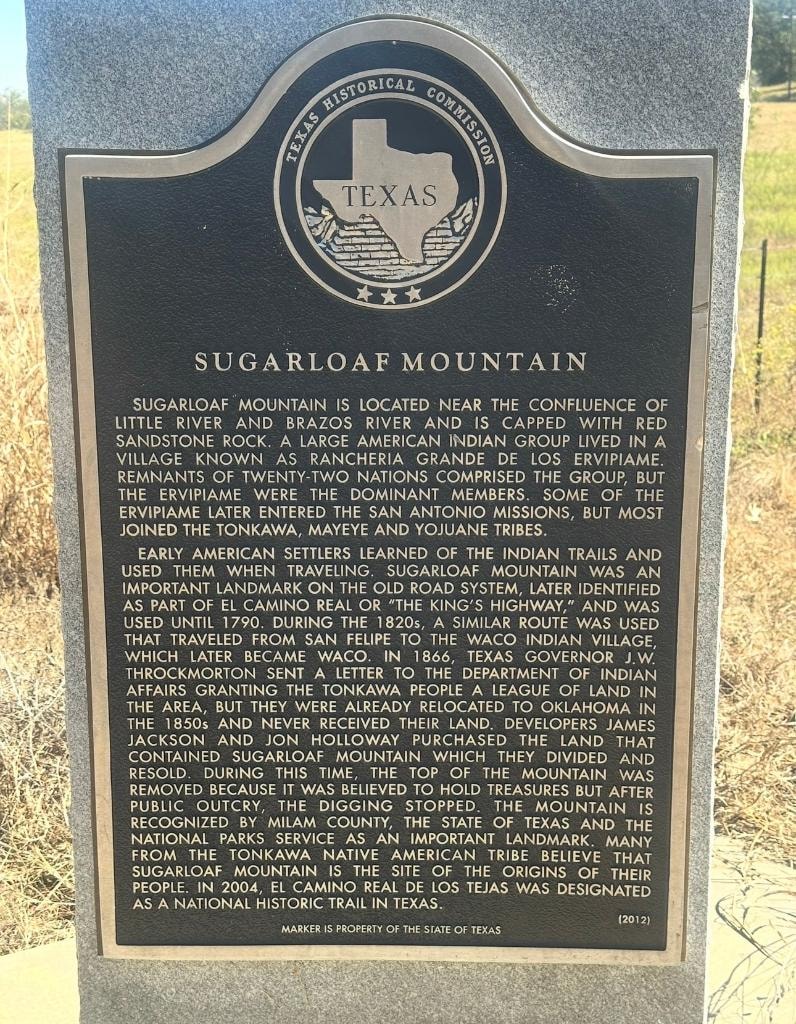
The Malones of East Central Texas have been known for generations as people who lived off the land their ancestors had known before Texas had a name — the confluence of the Little River and the Brazos, the place called Natan Samox, Sugarloaf Mountain, and Two Mile Bottom. They planted themselves there and bloomed for many generations. This page is the archived record of that harvest.
The history documented here draws from a living oral tradition that predates written Texas records. Formal census activity in Milam County did not begin until approximately 1850 — meaning everything before that threshold survives only in memory, in church records, in land surveys, family bibles and in the testimony of those who carried it forward. What follows is that memory, oral tradition and family legacy, treated with the same weight as any primary source. Much of this history was researched and carried forward by Rev. Dr. Dumas Malone — Pulitzer Prize-winning historian and Methodist theologian — who shared what he found directly with his friend and fellow Methodist, Rev. Nathaniel Aaron Burton and his wife. That relationship is the bridge between the documented record and the living family memory preserved on this page.
Ira married Lorene Burton in 1926. They had six children together and lost one — Lola Malone — in 1934. The five who remained became affectionately known as the Malone 5, the Burton line. After the marriage ended, Ira and Miss Mattie Pearl Moore had one daughter — Laura Jean Malone McNeil — who stands alone between the two married lines and is known in the family as the Lone Star. In 1944, Ira married Miss Jessie Bell Malone. They had eight children — The Great Eight — Many still living in Gause, Texas and Two Mile Bottom and East Central Texas. They are the ones who jumped off the cliffs at Sugarloaf Mountain into the Little River. They are the ones who played all day with no concept of time until the sun reached a certain position in the sky. That was when they knew it was time to go home. They are still alive TODAY. They are living oral history of the Malone family.
Three lines came from Ira Malone Sr. The Malone 5 — Burton line. The Lone Star — Moore/McNeil line. The Great Eight — White line. This research is a living tool, used as a blueprint for teaching and archiving this family history.
Chain of Custody
Rev. Dr. Dumas Malone
Primary Documenter
Pulitzer Prize-winning historian and Methodist theologian. Documented the Tonkawa Malone line and conveyed records through Methodist fellowship.
1st Lady Deloris Burton M.A.
Photo Album Archivist
Kept meticulous records in photo albums spanning 1886–1939. Noted 'Pawnee and Ponca Agencies' alongside a photograph of Ester O'ranzle Malone.
Rev. Nathaniel Aaron Burton
Fellowship Custodian
Received records from Dumas Malone through Methodist fellowship. First met in Detroit; final meeting in Dallas, 1976.
Henry Bernard Malone
Family Memory Keeper
Held family oral history across generations.
JP Malone
Family Memory Keeper
Held family oral history across generations. Oldest patriarch in the Malone family
Mary Helen Malone
Oral History Source
Source of the Georgia Ann King market story and other family oral traditions.
Cyndal Malone Provenzano
Archive Builder
Compiled and published this research archive. RECIPE Inc., a 501(c)(3).
Chain of custody and documentation details are recorded below. For the full research record, visit the About page.
Ol' Man Malone — Nacogdoches, 1803
In 1803, Ol' Man Malone was baptized in Nacogdoches at "Old Stone Fort", a presidio. Very little was known of his guardians or parents. He was neither man nor child at the time of his baptism. When the record was recorded, that act within itself... gave him the legal surname: Malone. Holding a SAFE surname granted by the authority of the Catholic Church & Spanish Crown, entitled Mario Malone (once mature enough), future property rights and voting privileges. These rights were granted in 1824, by the Federal Constitution of Mexico & the 1827 State Constitution of Coahuila y Tejas. The Christian baptism was confirmed in (registros parroquiales eclesiasticos) parish registries, Mexico City. This is not family legend. This part is documented and confirmed by Rev. Dr. Dumas Malone and independent professional genealogist Mary Hall 2024.
The Ervipiame: The Tribe That Became Tonkawa
The Ervipiame were an Indigenous people originally located in northeastern Coahuila, Mexico and southern Texas — from the Rio Grande north through the Edwards Plateau to the Brazos River. They were Coahuiltecan-speaking people, not originally Tonkawa. But over time, they merged into the Tonkawa identity, becoming one of the core groups that formed what we now call the Tonkawa tribe. Most Ervipiame came from the northeastern part of Coahuila in present-day northern Mexico and then moved into southern and central Texas by the 1600s–1700s.
Per renowned Pulitzer Prize-winning historian and Methodist theologian Dumas Malone, the Tonkawa ancestors of the Malones from east-central Texas most certainly came from one of these merged bands.
In 1803, Ol' Man Malone was baptized in Nacogdoches at Old Stone Fort, a presidio. Very little was known of his guardians or parents. When the record of his baptism was recorded, that act gave him a surname: Malone. The baptism was confirmed by the Mexican Catholic Church records — held in Mexico City. This is not family legend. This part is documented.
It is important to remember: in 1803, this was not yet Texas. It was the northeastern frontier of New Spain — a colonial borderland where Spanish missionaries, French traders, Comanche raiders, and Indigenous nations all moved through the same corridors. Mario was not old at the time of his baptism. He was a man in his prime. What made him remarkable was not his age but his reputation. As the years passed, he became known as someone deeply wise and spiritually grounded — a man who understood the land, the systems pressing in on his people, and how to navigate both without surrendering either.
Who exactly Mario was before that baptism is one of the enduring mysteries of this line. The oral record holds competing accounts — and in 1803, that ambiguity was not unusual. Colonial administrators, missionaries, and census-takers of that era struggled to categorize the populations moving through the frontier and black land prairies borderlands. The categories themselves were unstable:
The Classification Problem of 1803
Distinguishing diverse cultural and ethnic groups in this period was complex due to shifting colonial demographics, overlapping global labor migrations, and imprecise administrative categorizations. The categories in use included: Mestizos — individuals of mixed European with Indigenous and African ancestry whose legal standing varied widely; Wild Geese — Irish soldiers and exiles serving in continental European armies, a term that sometimes drifted into maritime and migrant contexts; Indo/African populations — enslaved, indentured, and free laborers from the African diaspora and South and East Asia swept into colonial ports and transit networks; and Impresarios — agents or contractors who organized colonization and labor, often navigating these exact mixed populations. A man could be recorded differently by a Spanish friar, a French trader, and a Mexican land official — all in the same decade.
Some accounts said Mario was a remnant of the Mexican War of Independence (1810–1821) — an Irish exiled mix, a so-called Wild Goose, left behind when the colonial tide shifted. Others described him as an African mix — possibly from the Indo-African labor migrations that moved through colonial ports and into the interior. Still others held that he was simply Ervipiame — one of the Indigenous people of the Brazos corridor who had been absorbing outside contact for generations. None of these accounts are mutually exclusive. In the colonial borderlands of 1803, a man could carry all of them at once.
What the record does confirm is the baptism, the surname, and the continuity. Mario Malone was present in Nacogdoches in 1803. He was present at Natan Samox — Sugarloaf Mountain — in the years that followed. He was present enough to raise his grandson James Henry after William's death at the Alamo in 1836. And the line he anchored has never left Milam County.
This knowledge was carried through trusted family and faith-community relationships. In the 1950s and 1960s, Dumas Malone and Rev. Nathaniel Aaron Burton shared years of Methodist fellowship. They first met in Detroit and their final meeting was in Dallas in 1976. Through that Methodist fellowship, Dumas Malone conveyed to Rev. Nathaniel Aaron Burton directly what the records showed. The Malones were on the Rolls — the Tonkawa Malones appeared on the National Archives Indian Census Roll (M595), recorded in variations of the name. This information was documented by 1st Lady, Deloris Burton M.A., who kept meticulous records through old-fashioned photo albums. She had plenty of written notes which spanned the years — 1886 to 1939. In her photo album alongside a photograph of my grandmother she had written: Pawnee and Ponca Agencies. It is confirmed no one knew what it meant for years. However, that thread existed. It was not pursued further but has been recorded here.
Read the Dumas Malone account →
Dumas Malone → Rev. Nathaniel Aaron Burton → 1st Lady, Deloris Burton M.A. → family keeping. In 1984, a hotel notepad from Mexico reading "Mario Malone / 1803" fell from Ester Oranzle Malone's Bible and was committed to memory. The large family Bible remains missing.
Through that Methodist fellowship, Dumas Malone conveyed to Rev. Nathaniel Aaron Burton directly what the records showed. The Malones were "on the Rolls" — the Tonkawa Malone's appeared on the National Archives Indian Census Roll (M595), recorded in variations of the name. This information was documented by 1st Lady, Deloris Burton M.A., who kept meticulous records through stacks of old-fashioned photo albums. She had plenty of written notes which spanned the years — 1886 to 1939 — In her photo album alongside a photograph of my grandmother she had written: Pawnee and Ponca Agencies. It is confirmed no one knew what it meant for years. However, that thread existed. It was not pursued further but has been recorded here.
William "Billy" Malone — b. 1817 (Ol' Man Malone's Son)
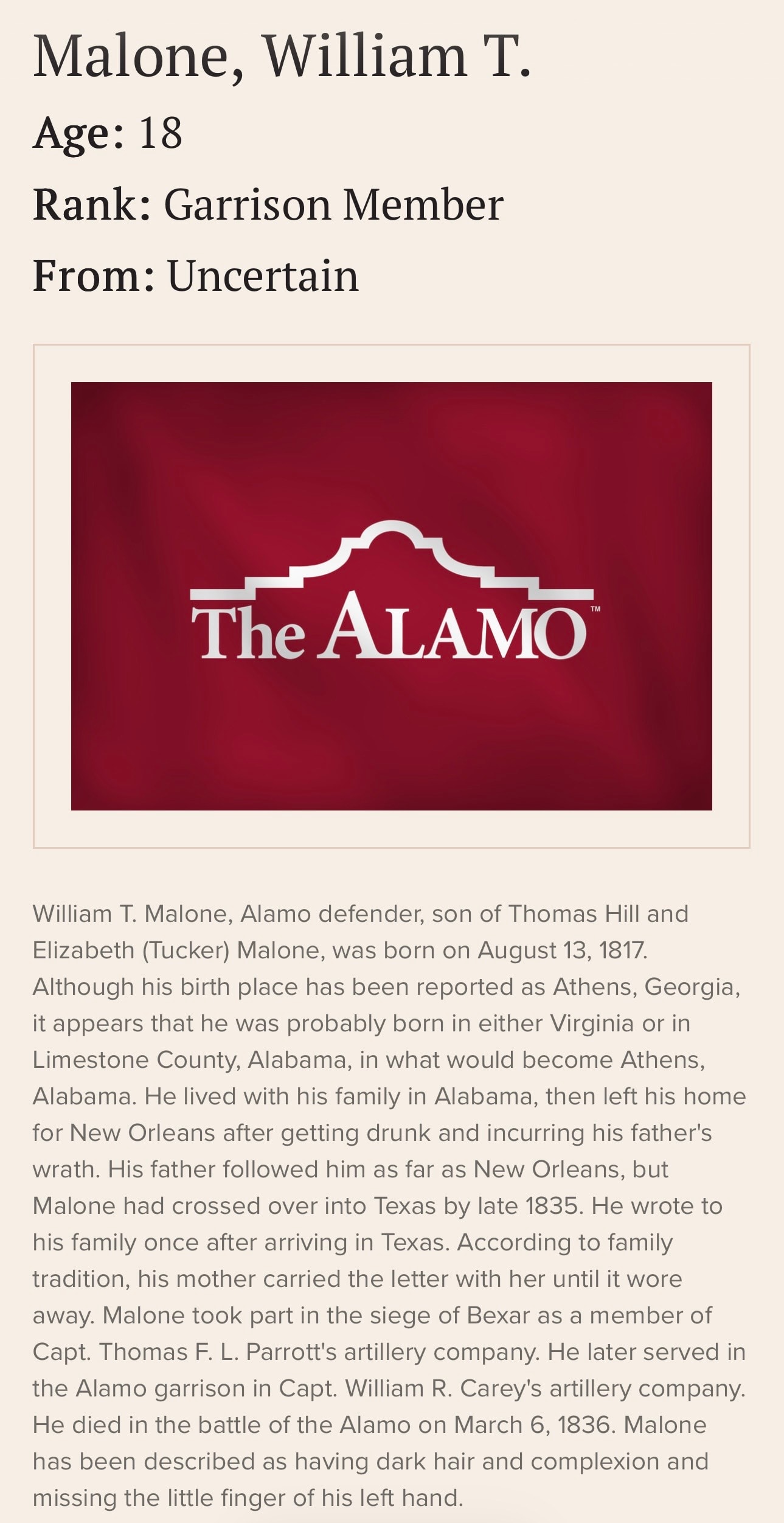
Family oral history identifies William T. "Bill" Malone as the son of Mario — Ol' Man Malone — born in 1817 and killed at the Alamo in 1836. The family remembers him as a man of Indigenous and mixed-heritage community, not as the later identity assigned to him in competing accounts.
His Tonkawa wife, Fransis, was pregnant when he left for the garrison. Their son, James Henry Malone, was born in September 1836 after his father's death. The family holds that Ol' Man Malone raised both Fransis and James Henry. James Henry had 4 children and died mysteriously in 1861; the surviving record of his life is limited.
The public record around William T. Malone is not a single, settled story. Three families from Alabama, Georgia, and Virginia claimed to be his heirs. Although the Virginia family prevailed in the lawsuit, the outcome does not resolve the Malone family’s questions about Bill’s identity, including the family’s memory that he was dark-skinned while the claimant families were all Anglo. Texas historical accounts also reflect the complexity of the case. This page does not repeat disputed claims as fact. The Malone family did not know of a land bounty in its own oral record, and no claim to one is made here.
One detail carried in the family’s memory is that Bill lost a finger at age 15 in a livestock-rope accident, not because he was drunk. In the cattle country of early Texas, roping and handling unbroken animals were dangerous work, especially for Indigenous, Mexican vaquero, free, indentured, and enslaved laborers. these dangerous labors were assigned to "COW BOYs" not Anglo "COW HANDs". The exact circumstances and treatment belong to oral history and are presented here with that care.
What remains central is not a disputed benefit or a borrowed pedigree. It is the family’s continuity: after Bill’s death, Ol’ Man Malone protected his daughter-in-law and grandson, James Henry Malone. (True Heir of William (Billy) Malones 600+ acre bounty. Despite the erasure the line continued in what eventually became Milam County, through memory, kinship, and survival.
Free People of Color: Leave Texas or Become a Slave!
What was the 1842 Act? The formal name of the law was the Act of February 5, 1840, passed by the Congress of the Republic of Texas. This act prohibited the immigration of free people of color into Texas and ordered all free colored residents already living in Texas to leave within two years — meaning by January 1, 1842, "be gone" — or be sold into slavery for life if they could not pay the imposed fines. This was not targeted at one family. This was a sweeping legal order aimed at every free person of color living in the Republic. The deadline was enforced by threat of force. Those who remained risked being claimed as property by any Anglo who chose to act on the law.
This is not hearsay. This is recorded Texas law — and it is largely absent from the history taught in Texas schools. The Malones were not alone in staying. Many free people of color, Mestizo families, and those who had blended into the land over generations made the same choice: stay, blend, and survive.
Consider what James Henry Malone was facing. He was born in September 1836 after his father, William T. Malone, (Billy T) was killed at the Alamo. By the time he was about six, the Republic's expulsion law threatened free people of color with removal or enslavement. The family's record is clear on one point: the Malones were never enslaved. They remained connected to kin and place in Milam County while the paper record around them grew thin.
James Henry's date of departure was not recorded. We know his son, Jim “James” Malone, was born in 1856. The later census record applied the period classification "M" for “Mulatto” to Jim. That label reflects the state’s system of classification, not the full identity preserved in the family’s oral history.
Jim "James" Malone married Lenora Kerr, born circa 1858. Family oral tradition holds that the Kerr line was believed to be connected to the Creek Nation of Tennessee and also preserves a Melungeon connection. Those strands remain subjects for continued research; they are recorded here as family history, not as a substitute for documentation.
They never left. They blended. They reclassified. They survived. Hillard Rhiley Malone was reclassified again after James. The paper changed with every generation. The blood did not.
The Tonkawa of Oklahoma erected a monument at Sugarloaf after purchasing the land. They refuse to acknowledge the Mestizos who never left the land to this day. They have turned largely Anglo since their departure, and many collect tribal benefits with no ancestral tie to east central Texas at all.
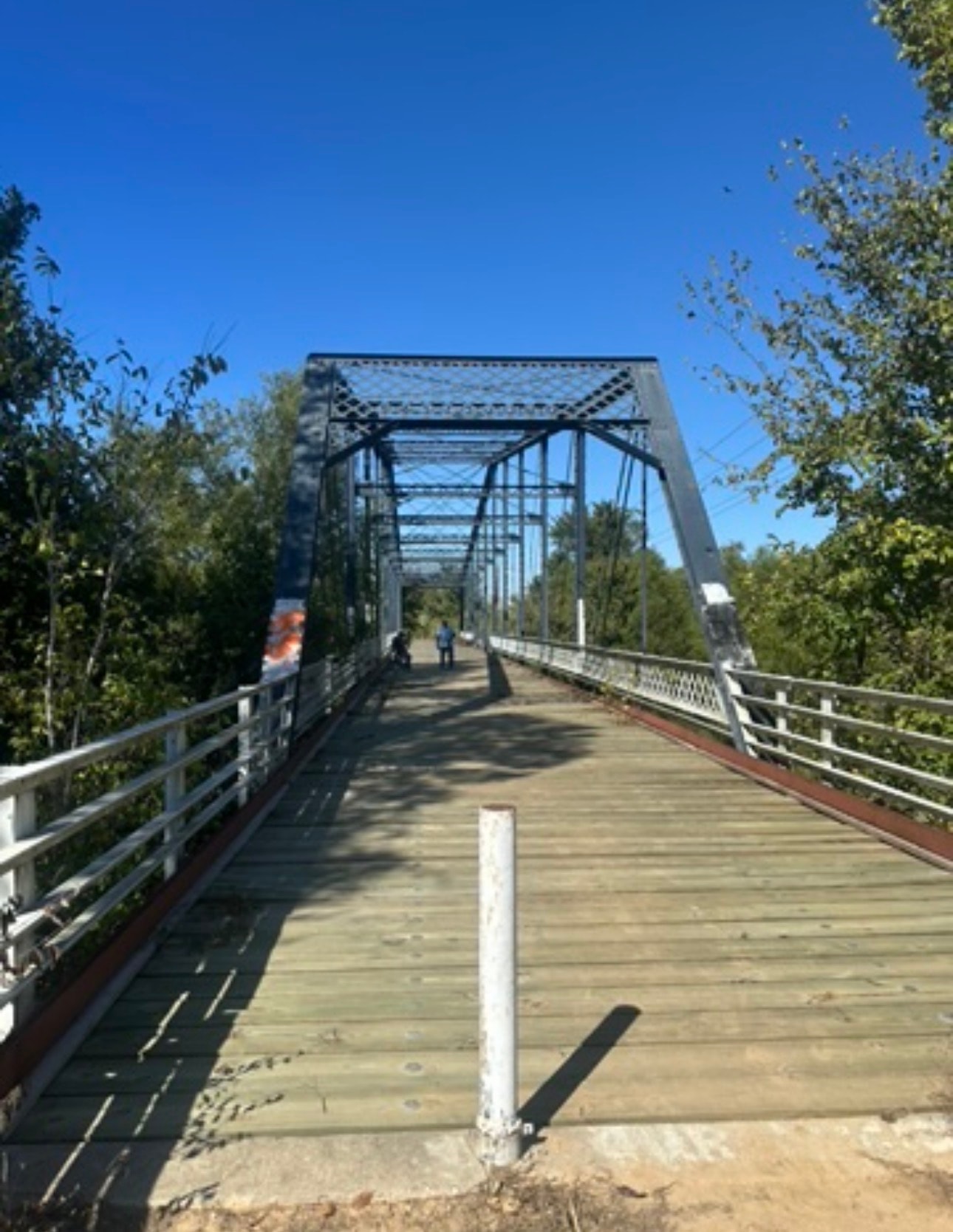
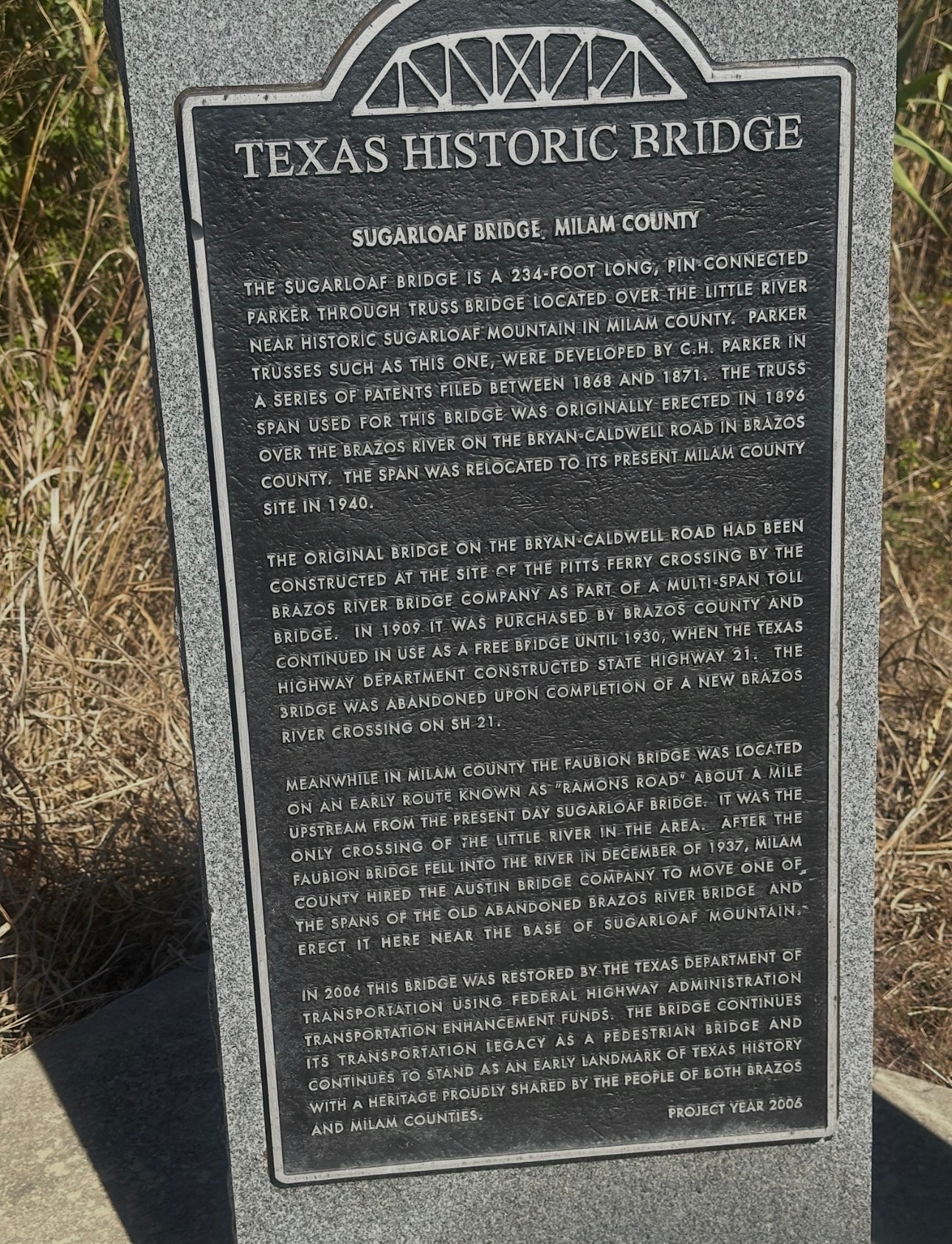
Ira Malone Sr. did not walk this land alone. His first family — the Malone 5 — came through his marriage to Lorene Burton, a woman whose own lineage runs ten generations deep through the Burton family of Milam County. She is the hinge. To follow her line, visit the Burton Family page.
Visit the Burton Family Page →Mario to Ira — Eight Generations
Ervipiame band, Tonkawa. From Natan Samox (Sugarloaf Mountain). Baptized in Nacogdoches in 1803 and received the surname Malone. Family oral history holds that he raised Fransis and her son after William's death. What made his story remarkable was the loss of both sons in battle — and the fact that he survived an unusually long life under the harsh and unforgiving conditions of the Texas frontier.
Son of Mario. Family oral history identifies him as a garrison fighter killed at the Alamo in 1836. His Tonkawa wife, Fransis, was pregnant; their son James Henry was born in September 1836. Conflicting later accounts are treated as disputed, not settled fact.
Son of William T. Malone and his Tonkawa wife Fransis. James went by Henry and is remembered in family oral history as a Tonkawa scout. He died in 1861 in what local folklore and historical accounts call the Mystery Battle of South Milam County — an unresolved, undocumented skirmish that took place at the very start of the Civil War. The conflict was over removal and land. The remaining, un-relocated Native Americans and local scouts in the Brazos and Milam area frequently clashed with moving factions during that highly chaotic year. Whether any Anglo record of this skirmish was ever written down is unknown. James Henry was Tonkawa, and it is entirely possible that no colonial record-keeper thought his death worth documenting. He was raised within the Malone family during a period when free people of color faced expulsion or enslavement under Republic of Texas law. He survived that era. He did not survive 1861. The oral history of his end is what we have, and it is enough to name him here.
Son of James Henry Malone was Jim "James" Malone. Classified "Indio", then "Mulatto" 1860 Census. Married Lenora Kerr, born circa 1858, on November 15, 1877. They had 11 children over 24 years in Milam County. Family oral tradition holds that the Kerr line was connected to the Creek Nation of Tennessee and preserves a Melungeon connection; those details remain under continued research. Period records classified Jim first as "Indo" and later as "Mulatto"; those labels reflect changing state systems of classification, not the full identity preserved in family history.
See Lenora Kerr →Hillard Rhiley Malone Sr. (also recorded as Hilliard in some documents — both spellings appear in the historical record). Son of Jim "James" Malone. Classified in period records as "Negro." After the 1880 census, records applied changing labels to the entire Malone family, including "Negro," then "Black," and later "African American." These classifications reflect changing official systems, not the family's full identity. He married Georgia Ann King (1885–1957), a midwife and keeper of guinea fowl in Two Mile Bottom. Their 1st son Promise Malone became a dentist; his practice was burned in a night raid. Georgia Ann King delivered all of her grandchildren. She was described as having had a silver tongue and delivered more than 100 babies in the county.
Ira Malone Sr. (1907–2002) married Lorene Burton Malone (1907–1981). His second wife was Jessie Belle White Malone (1918–1991). The line from Natan Samox to Two Mile Bottom, unbroken. The Malones held Mexican land grants, fought at the Alamo, and all three of Ira's sons were educated in the Historic Freedom Colony school for colored children — the same institution that gave this family its footing through Reconstruction, war, and the Great Depression. Ira was an early entrepreneur with pull. He was signing contracts and moving commerce at a time when most people of color were still in survival mode or could barely read or write. He had hired hands. He employed his own children in the summer. From railroads to farming, he kept the family in motion and in business. He protected his sons from conscription — deliberately — except those who chose to serve, like his son Luther. On the day he buried his daughter, he said: we bloom where we are planted. That is the line. That is the motto. That is what held.
Hillard Rhiley Malone & Georgia Ann King
Hillard Rhiley Malone (1875–1970) and Georgia Ann King (1885–1957) built their life in Two Mile Bottom — the same bottomland the Burtons and Smiths had worked for generations. Georgia Ann was a midwife. She kept guinea fowl. She was the kind of woman who held a community together without ever being named in the record.
Their son Promise Malone became a dentist. His practice was burned in a night raid. The family absorbed that loss the same way they had absorbed every other attempt to erase them — and kept going.
The Malones and the Burtons shared the same land, the same water, and the same strategy: stay together, blend when necessary, and never let the record be the final word on who you are.
Lenora Kerr
Born in Tennessee · Creek Nation affiliation · Married Jim James Malone, November 13, 1877, Washington County, Texas
The Question the Record Raises
Jim James Malone was classified as mulatto on the 1860 census. His son Hilliard R. Malone — born 1875 in Milam County — was born dark, with Indigenous features, not simply mixed. Hillard also carried a documented, strong dislike for Anglo and white settlers. His son Ira Malone Sr. was born in 1907 with much lighter skin. Many in the family have asked how that was possible.
The answer to how Hillard got so dark — and why he looked Indian — is Lenora Kerr. She was a dark Creek Indian woman from Tennessee, and she was his mother.
His father Hillard married Georgia Ann King — midwife, botanist, and one of the strongest women in this record. See Georgia Ann King →
Oral history in this family has always said Lenora Kerr was Creek. She has no birth record — a fact that is infuriating but not surprising. Countless Indigenous women of her era were never documented by colonial record-keeping systems. It is a fact however, she lived. She married. She had children. The Malones are still here because of her. That is proof enough of her existence, even when the archive refuses to confirm it.
Marriage records confirm Lenora Kerr wed Jim (James) Malone on November 13, 1877, in Washington County, Texas. Washington County sits in East Central Texas, adjacent to Milam County — the same territory where the Kerr family had roots as early as 1858. Their son Hilliard was born September 27, 1877, in Washington County, shortly before or around the marriage date. Birth dates in old records can vary slightly, and this proximity is consistent with the record.
The Tennessee–to–Texas Corridor
Lenora's origins in Tennessee align with the early history of the Koasati (Coushatta), who lived along the Tennessee River Valley before European contact intensified. Hernando de Soto documented them there in 1540. By the mid-1700s, pressures from colonial expansion, conflicts including the French and Indian War (ending 1763), and resource scarcity prompted southward migrations into Alabama, where they allied with the Creek Confederacy.
The "tensions with Anglo settlers" in Kerr family oral history likely refer to escalating encroachments post-American Revolution — land cessions through treaties like the 1790 Treaty of New York and subsequent ones in the early 1800s, which stripped Creeks of vast territories in the Southeast, including Tennessee border areas. This culminated in the Indian Removal Act of 1830, forcing most Creeks westward to Indian Territory via the Trail of Tears. Some individuals and small groups resisted or evaded removal, migrating independently to avoid federal agents or seek better opportunities.
For those heading to Texas, the Republic of Texas (1836–1845) offered incentives including land grants to immigrants, including Native groups. Creek families from Tennessee and Alabama began arriving in East Texas in the 1830s, settling in counties like Nacogdoches, Cherokee, and Washington — near Milam County. By the 1850s–1870s, scattered Creek descendants lived in Central Texas, sometimes intermarrying with locals or other Native people like the Tonkawa, who were indigenous to the region and faced their own displacements.
Creek Indians were very dark in complexion. This is not a peripheral detail — it is the direct answer to the phenotype question. Jim Malone's mulatto classification in census records was common for mixed-race individuals, including Native/White or Native/Black mixes. Lenora's Creek heritage, combined with Jim's own mixed background, produced Hillard: dark, Indian-featured, and carrying a documented hostility toward Anglo settler culture that was not accidental. It was inherited.
The generational color shift — Jim classified mulatto, Hillard born dark, Ira born light — is a classic pattern in mixed-heritage families where phenotype expression varies across generations. It is not a contradiction. It is biology, and it is history.
No pre-1877 record for Lenora Kerr has been located — no clear 1870 Tennessee census match under the name. This was common for the era, and especially common for Indigenous women, who were routinely excluded from or misrecorded in official documents. No birth record exists. As time passed, however, her presence was recorded where it mattered most: in her marriage. Her exact route from Tennessee to Texas remains speculative but historically very plausible via overland trails through Mississippi or Arkansas into Texas. The Kerr family oral history of moving west due to tensions with Anglo settlers is consistent with documented Creek and Koasati displacement patterns of the 19th century.
A dedicated Kerr Family page is planned for this site. When additional documentation is located — census records, land records, or tribal enrollment records become available — it will be added here and on that page. We welcome any legitimate record that sharpens this picture.
Georgia Ann King — Midwife, Botanist, and the Woman Who Did Not Flinch
Wife of Hillard Rhiley Malone Sr. · Mother of Ira Malone Sr. · Milam County, Texas
Georgia Ann King was a small woman. Petite. But she was the first one on the church steps when something needed to be said out loud, and she said it clearly.
She was a midwife. She delivered over 100 babies in Milam County, Texas — including the children of her own son, Ira Malone Sr. She was also a botanist in the practical sense: she knew the land, the plants, the remedies. She raised guinea fowl and sold eggs at market independently, on her own terms.
The story that has been carried in this family — told directly by Mary Helen Malone — is this: Georgia Ann King went to market to sell her guinea eggs. White men were sitting around waiting on their hired hands, drinking what was probably coffee. When she came through, one of them called out: 'Good morning, Miss Drag-a-tail — how do you sell your geese?' Her reply came without hesitation: 'Good morning, Mr. Kiss My Ass — twenty cents a piece.'
Those words did not come from a sharecropper. They came from a free woman who knew exactly who she was, what her labor was worth, and what she owed to no one. She was Ira Malone Sr.'s mother. She is part of why he turned out the way he did.
Georgia Ann King has not yet been fully documented in the written record. What we have is oral history — sourced from Mary Helen Malone — and the evidence of her life in the children she delivered, the land she worked, and the family she raised. A dedicated section for her story is planned as more documentation is located.
Source: Oral history sourced from : Ester Malone, Bernard Henry Malone, Mary Helen Malone.
The Land They Never Left
Two Mile Bottom is not a place on a map. It is a place in the body. The Great Eight — Ira Malone Sr.'s sons by Jessie Bell — grew up here. They jumped off the cliffs at Sugarloaf Mountain into the Little River. They played all day with no clock, reading the sun to know when to go home. They know this land the way you know something you were raised inside of.
The Texas Historical Commission erected a marker at Sugarloaf in 2012. It reads, in part: "Many from the Tonkawa Native American Tribe believe that Sugarloaf Mountain was their ancestral home." The marker stands at the site. The melanated ancient people have always been there.
The Tonkawa Nation of Oklahoma purchased the land and erected a monument in 2023. They have not acknowledged the Mestizo families who never left — the families who stayed through the expulsion orders, the reclassifications, the night raids, and the erasure. That acknowledgment remains an open wound.
A NAME CARRIED FORWARD · Great-Granddaughter of Ira Malone Sr.
Ira Malone Sr.1907 – 2002
Ira Malone Sr. lived 95 years.
Ira's mother was Georgia Ann King. His father was Hillard Rhiley Malone Sr. His grandfather was Jim James Malone. His great-grandfather was James Henry Malone — Tonkawa scout, killed in the Mystery Battle of South Milam County, 1861. Lorene Burton Malone was Ira's first wife — Ms Jessie Bell White was his second wife The line holds.
A Word of Caution
Before You Test
If you are reading this research and considering a commercial DNA test to verify what you find here — stop and read this first. The Legacy Preservation Project calls these services DNA Casinos for documented, peer-reviewed reasons. A pie chart from a private company is not proof of Indigenous ancestry. The naming patterns, oral histories, and colonial records preserved in this research are.
Why We Call Them DNA Casinos →"“We do not need permission to exist. We were here before borders, before paperwork, before anyone else claimed authority over our identity. We are Indigenous — not erased, not forgotten, not waiting for approval. Our existence is our resistance, and our presence is our proof.”
Cyndal Malone Provenzano, Legacy Preservation Project
The Legacy Preservation Project exists to protect, document, and illuminate the histories of families, communities, and lineages whose stories have been fragmented, overlooked, or displaced. Our work is not driven by conflict, but by responsibility — the responsibility to gather evidence, preserve memory, and ensure that future generations inherit the truth of who they are and where they come from. We recognize that land, identity, and history are complex, and that many groups carry their own narratives of belonging. Our commitment is to research with integrity, publish with accuracy, and engage with all communities in good faith. Whether or not others choose to participate, our work will continue: through our family archive, our documentary, and the forthcoming book Braided Bloodlines. We move forward with one purpose — to preserve what was entrusted to us, honor the ancestors who carried these stories, and ensure that their voices are never lost again.